Noland Fellowship · Summer 2023
Climate Change
in the Arctic
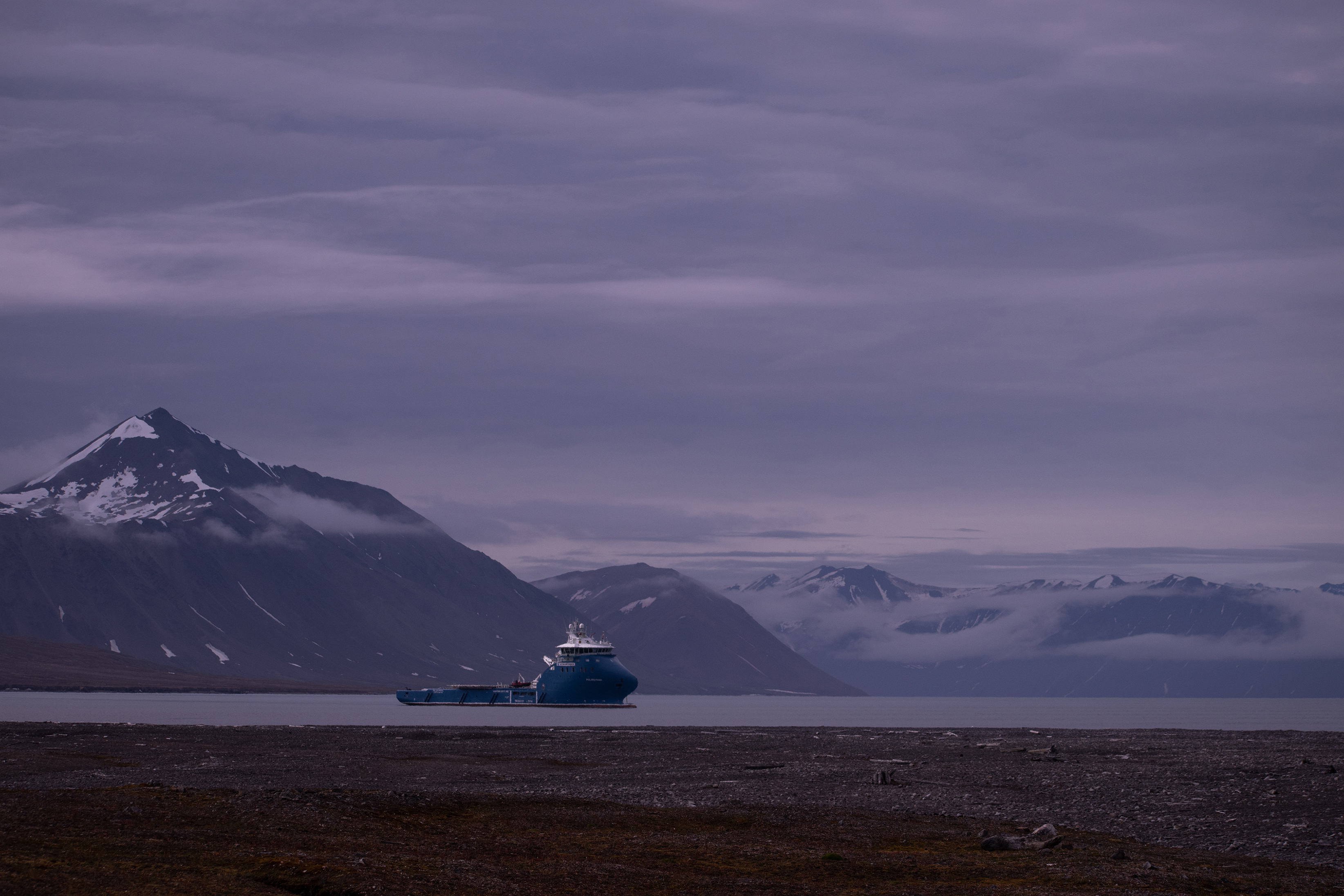
This summer, I managed to find polar bears on a wild goose chase, kelp forests in Norway, giant troll seats, and a Siberian driftwood outpost. But none of those (except maybe the polar bears) were intentional!
With the help of the Noland Fellowship, I set out to learn more about Arctic animals like polar bears, whales, walruses, and seals, as well as how global warming is affecting them. Below you will find a presentation about my adventure as well as some blurbs with further description.
The Presentation
Getting Around
How does this site work?
On the first page, you will find an overview of the Fellowship (more below). The next few pages provide more info on the locations I visited as well as direct findings — research, photos, video, and expert info — on several of the study animals.
Following that, you will find several of the interviews I conducted with scientists in the Arctic.

The Fellowship
What is the Noland Fellowship?
The Noland Fellowship helps Woodberry Forest students pursue an extracurricular interest that they would otherwise be unable to explore. This year, I was selected to research, observe, and conduct interviews to learn more about how global warming is affecting several Arctic animals including polar bears, whales, walruses, and seals.

Why?
Wildlife is fascinating
Unfortunately, whether it is African elephants, Bengal tigers, polar bears, or almost anything else, animals are facing increasingly harsh environments. A lot of these problems are man-made, but they can also be man-cured.
As with many things, with more people dedicated, there will be a greater impact. So part of the idea of this fellowship is to get others interested and caring for these animals too — to help make a meaningful change.
The Setting
Where exactly was this?
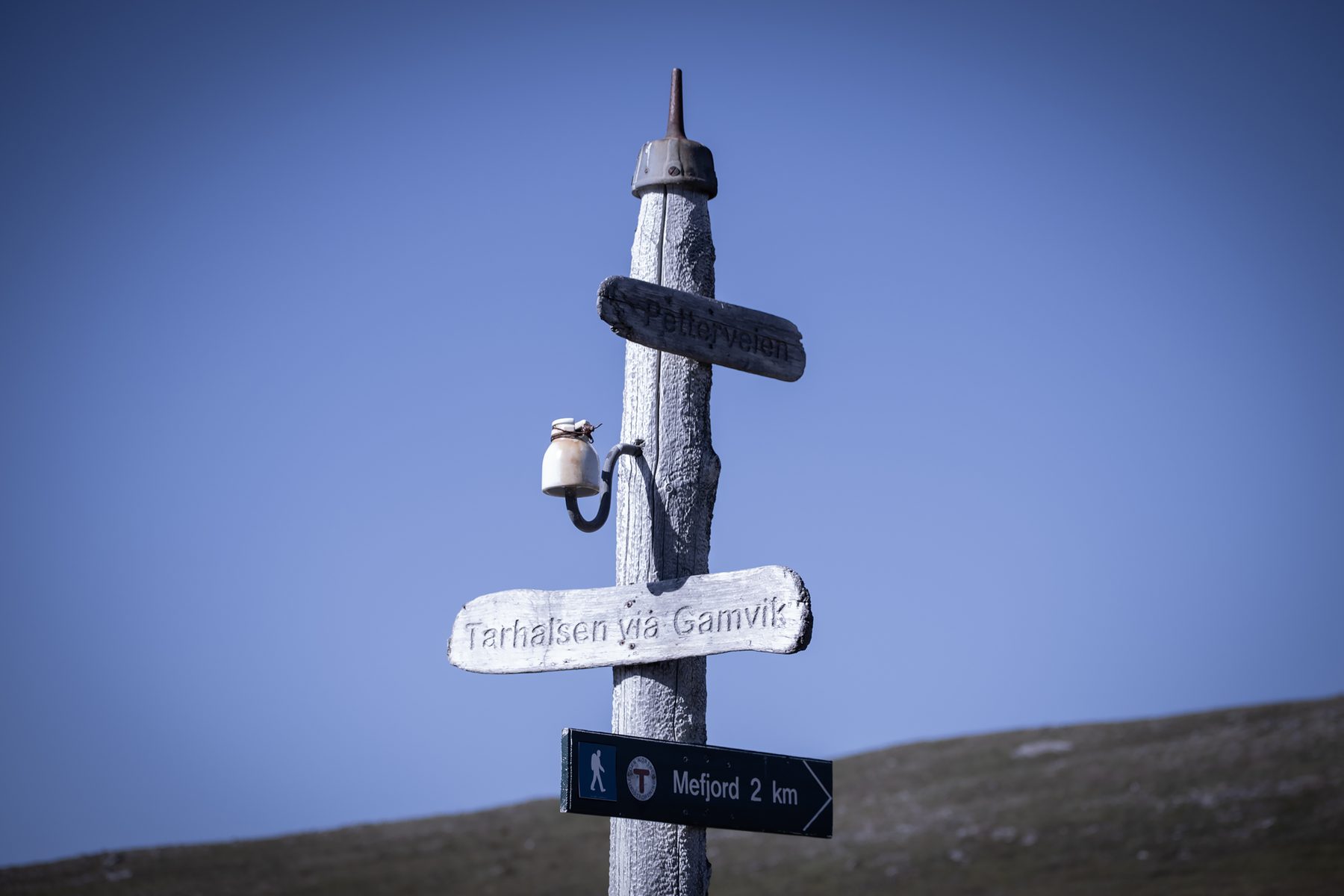
The majority of this Fellowship took place in the Norwegian Arctic. I began in Oslo, then traveled up to Tromsø, boarded a boat and traveled to the upper Norwegian Fjords, Bear Island, and finally, Svalbard. The vast majority of the interviews and direct observation took place from the boat, as it housed almost twenty scientists and naturalists and could travel through thick multiyear ice in the high Arctic.

The Animals
What animals did I study?
I initially intended to study polar bears, whales, seals, reindeer, Arctic foxes, and Arctic birds. Unfortunately, the wildlife of the Arctic is very unpredictable, so I was not able to see foxes or reindeer. I was, however, lucky enough to see and learn about the rest of the goal animals. Additionally, I was able to learn lots of interesting information about — and see — walruses and kelp forests, two frequently overlooked parts of the Arctic ecosystem.
